Budget 2026: what it means for buyers, sellers and landlords in Somerset
The Budget offers some help to first-time buyers and households facing higher bills, while bringing yet another tax increase for individual landlords from April 2027, which could lead to costs being passed onto Tenants with higher rents.
I wanted to begin by saying that oftentimes, speculation about the budget by journalists and pundits causes concern among the general public and further stagnates the Autumn market. Speculation leads to speculation about speculation, and before you know it, buyers are sitting tight, thinking that concerning news is just around the corner. We will watch how the markets react, but feel content that the devil we know is better than the devil we don't, and so we are expecting a surge in activity before Christmas.
First-time buyers help: a smaller deposit, with an equity loan to repay
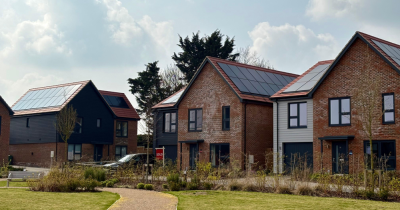
The £4.7 billion Your First Home scheme is intended to help around 70,000 households buy a new-build home in England. The Government estimates it could support 20,000 additional homes. Eligible first-time buyers will be able to use a deposit of between 2.5% and 15%, alongside a 20% government equity loan* and a repayment mortgage. The new home must be the buyer’s main residence, and household income outside London must be £110,000 or less. Applications are planned from February 2027, with the first sales from April. Local price caps, participating developers and lenders are still to be confirmed.
The Government’s £300,000 example shows how the figures could work. A buyer using the scheme would need a £7,500 deposit and a £232,500 mortgage, with the 20% equity loan providing the further £60,000. The comparison 95% mortgage example requires a £15,000 deposit and a £285,000 mortgage. At an assumed 5% mortgage rate over 30 years, the scheme’s estimated monthly cost is £1,248 for the first five years, compared with £1,530 for the standard mortgage example.
That lower starting cost comes with an important qualification: the equity loan is repayable and represents 20% of the home’s value. Interest is charged after the first five years. Buyers should understand the repayment terms and get mortgage advice before deciding whether the scheme suits them.
Existing Lifetime ISA holders buying a first home above the £450,000 price cap will see the withdrawal charge reduced to 20% from 29 October 2026. A new First Time Buyer ISA is planned for 2029.
Landlords: higher tax on individual property income
This is another concerning one for individual Landlords as the attack on rental profits continues. From 6 April 2027, the tax rates on property income will rise by a further two percentage points, to 24% at the basic rate, 44% at the higher rate and 49% at the additional rate. The increase applies to taxable property income for individuals; these are not the corporation tax rates for company landlords. Each landlord’s position will depend on their tax band and circumstances.
Landlords should review their expected return with an accountant. The change may influence decisions about holding, improving or selling a rental property. It does not automatically mean rents will rise, but it is common for Landlords to pass costs on to Tenants as a secondary impact of this taxation.
Household costs and the wider market
Eligible households in council tax bands A to D in England are due to receive a £100 Household Energy Payment from January 2027. The Budget also extends the temporary electricity VAT cut to July 2027. The Government estimates around 80% of English households will receive the payment. The Ofgem price cap rose by 4% in October to £1,723 a year for a typical dual-fuel household. The £100 payment due to eligible households in council tax bands A to D from January 2027 is intended to offset some of the pressure from rising bills, although it does not reduce or freeze the price cap itself. The extended electricity VAT cut is expected to lower the cap by around £50 from April 2027.
The economic forecasts are a reminder that households will still be weighing costs carefully. The OBR forecasts GDP growth of 1.2% in 2026 and 1.0% in 2027, while real household disposable income per person is forecast to fall by 0.6% in 2026–27. These are economic forecasts, not predictions of house prices or mortgage rates. The Budget does not set mortgage rates.
The Budget also adds £1.5 billion for social and affordable housing in England between 2027–28 and 2030–31. The Government estimates this funding could support around 10,000 homes, with priority for social rent and council housing.
Higher-value homes and purchase costs
The Budget confirms the planned High Value Council Tax Surcharge in England, including deferrals, discounts and exemptions. It is due to start in April 2028 and will apply to homes worth £2 million or more. The Budget also confirms a 100% premium for properties left empty and unoccupied for at least 12 months.
There was no broad reduction in residential Stamp Duty Land Tax rates or thresholds announced for homebuyers. We hope that if this is planned, it is not a change that takes a long time to pass through, as lengthy delays will cause buyers to hold fire if they're expecting tax cuts.
Our view
The Budget creates a more accessible route to buying for some first-time buyers, but the new scheme is limited to eligible new-build homes and includes a repayable equity loan. Individual landlords face a clear tax increase, while most buyers and sellers will still need to focus on the fundamentals: an accurate price, a sound financial plan and a proceedable buyer.
If you are considering buying, selling or letting in Somerset, speak to us about the local market and how these measures may affect your plans. Landlords should take specific tax advice, as the outcome depends on their individual circumstances.