Interest Rates Cut From 4.00% to 3.75% - Confidence and the Road to 2026
After several years of rising borrowing costs and market uncertainty, the outlook for interest rates has begun to change. Recent reductions to the Bank of England base rate signal a gradual easing rather than a sharp shift, bringing greater clarity and confidence for those planning a move in 2026.
A measured shift, not a sudden drop
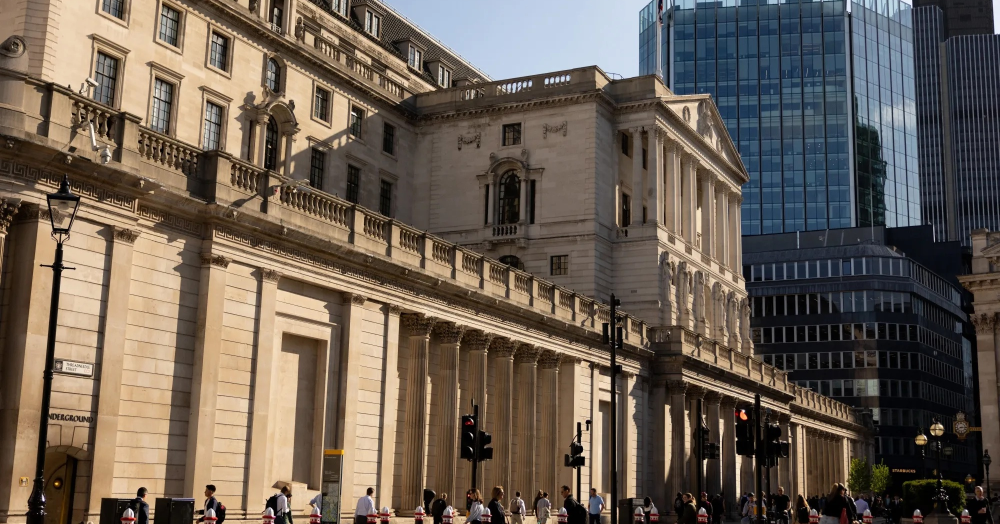
The Bank of England’s latest rate cut reflects falling inflation and a softening economy, but policymakers have been clear that any further reductions will be cautious. Commentators across the national press agree: rates are likely to edge down further into 2026, but not dramatically or quickly.
This slower pace is intentional. It is designed to stabilise the economy while avoiding another period of overheating in asset prices. For the property market, that stability is arguably more important than headline-grabbing cuts.
What we are seeing already, however, is lenders responding early. Mortgage pricing has begun to improve, as competition returns to the market and fixed-rate products gradually become more attractive.
What this means for buyers
For buyers, particularly those who have been waiting on the sidelines, the direction of travel is encouraging. Lower interest rates increase borrowing capacity and reduce monthly repayments, even if the reduction is modest at first. Combined with a more competitive mortgage market, this is restoring affordability for many households who found themselves priced out during the peak rate environment.
Looking ahead to 2026, most analysts are forecasting steady rather than spectacular house price growth. That balance — improving affordability without runaway prices — creates a more considered buying environment. Buyers are able to act with confidence, carry out proper due diligence, and avoid the pressure of the bidding frenzies seen in previous cycles.
In short, 2026 is shaping up to be a year where buying decisions can be driven by lifestyle and long-term plans rather than urgency.
What this means for sellers
For sellers, the easing of interest rates is equally significant, but expectations need to remain realistic. Improving affordability brings more buyers back to the market, which in turn increases levels of enquiry and viewings. This is particularly relevant for well-presented, correctly priced homes in strong locations.
However, national forecasts point towards modest price growth rather than sharp uplifts. The market is becoming healthier, not overheated. Sellers who price in line with local evidence and current demand are likely to benefit from improved momentum and shorter sale times. Those who chase yesterday’s peak pricing may find activity slows.
As confidence returns, we expect transaction levels to strengthen through 2026, especially in the first half of the year.
Movers: a quieter advantage
For those looking to move home — upsizers, downsizers or relocators — the changing rate environment offers a quieter but meaningful advantage.
Lower borrowing costs reduce the gap between selling and buying, making onward purchases more manageable. At the same time, a steadier market helps chains progress more smoothly, with fewer last-minute withdrawals driven by financial uncertainty.
For many movers who paused plans in 2024 and 2025, 2026 could offer a more balanced and predictable backdrop in which to make decisions.
Looking ahead
Interest rate cuts alone do not guarantee market growth, but they do restore confidence — and confidence is what drives activity.
As we move towards 2026, the picture emerging is one of gradual improvement rather than sudden change. Buyers gain affordability, sellers see demand stabilise, and movers benefit from a calmer, more navigable market.
For anyone considering a move, early planning remains key. Understanding local values, mortgage options and timing will be just as important as headline interest rate changes.
If you would like to discuss how these shifts could affect your own plans, we would be pleased to offer our advice based on your circumstances and the local market.